

Calgary Housing Market Forecast 2027: What Can Buyers and Sellers Expect?

November 20, 2026

As Calgary moves toward 2027, the residential real estate market is entering a new phase. After several years of strong activity, rising home prices, and significant population growth, 2026 brought a noticeable shift. Buyers have more options in certain property categories, sellers are facing increased competition, and the market is becoming more balanced depending on the type of property and neighbourhood.


So, what can Calgary homebuyers and sellers expect in 2027? Will home prices increase? Will buyers have more negotiating power? And is it a good time to invest in Calgary real estate?


While no market forecast can predict the future with certainty, current economic conditions, housing supply, population trends, and industry projections provide some useful insights into where the Calgary housing market may be heading.


Whether you're considering purchasing a detached home, buying a townhouse, selling a condo, or investing in a rental property, understanding these trends can help you make a more informed decision.


1. Calgary Real Estate Market Outlook for 2027

According to the Alberta Real Estate Association's (AREA) November 2026 housing market forecast, Calgary is expected to experience a gradual recovery in residential real estate activity in 2027.


The association forecasts Calgary home sales to increase by approximately 3% in 2027, reaching around 20,700 transactions, compared to an estimated 20,100 in 2026.


Average detached home prices are also projected to increase by approximately 3%, reaching $839,000.

However, not every property category is expected to perform equally. Apartments and row-style homes are experiencing greater supply pressures, while detached and semi-detached properties have generally demonstrated more stable pricing conditions.


The overall outlook suggests a gradual improvement rather than a major housing boom. Buyers may continue to benefit from greater selection, while sellers will need to be more strategic with pricing and presentation.


2. Detached Homes: Will Calgary House Prices Increase in 2027?

Detached homes remain an important part of Calgary's residential real estate market, particularly for families looking for additional space, private yards, and long-term homeownership.


For 2027, AREA forecasts Calgary's average detached home price to reach approximately $839,000, representing a 3% increase from the estimated 2026 average.


Several factors could support demand for detached properties:

  • Families looking for larger homes and additional living space.
  • Buyers relocating to Calgary from other Canadian cities.
  • Demand for properties with garages, yards, and more bedrooms.
  • Buyers interested in homes with legal basement suites or rental potential.
  • Limited availability of certain desirable property types in established neighbourhoods.


However, buyers should not assume that every detached property will increase in value at the same rate.

Location, property condition, lot size, renovations, and neighbourhood demand will continue to influence individual property values.


For sellers, this means pricing a detached home correctly will remain important. Properties that are well-maintained, competitively priced, and professionally presented are more likely to attract serious buyers.


For buyers, 2027 could offer opportunities to negotiate, particularly when a property has been sitting on the market or requires improvements.


3. Townhomes: More Opportunities for Calgary Buyers?

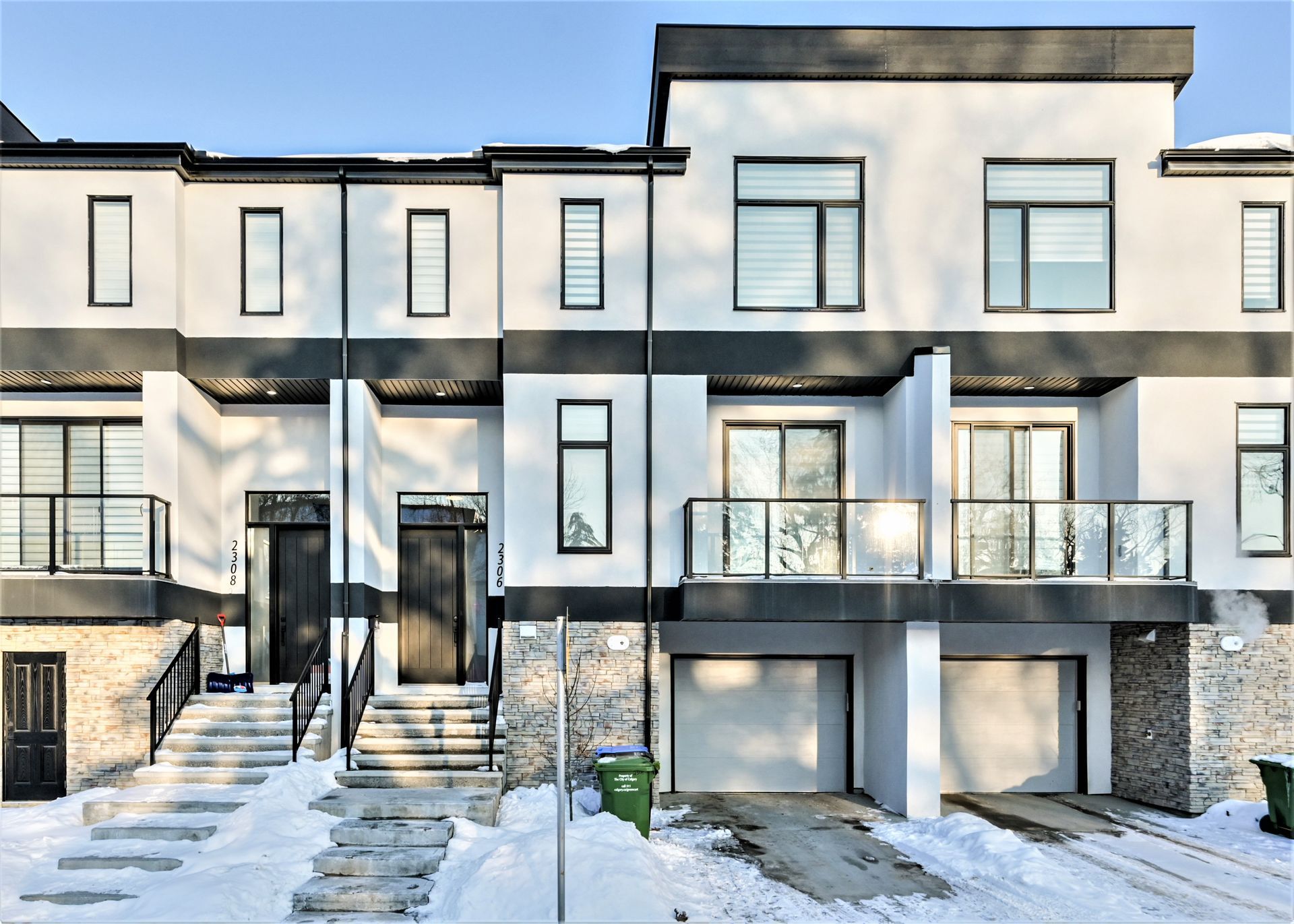
Townhomes and row-style properties have become attractive alternatives for buyers who want more space than a typical apartment condo without taking on the full cost of a detached home.


They can appeal to first-time buyers, young families, professionals, and investors looking for relatively affordable entry points into the Calgary housing market.


However, townhomes have faced increased competition from new construction and additional resale inventory.

AREA forecasts Calgary's average row-style home price to reach approximately $447,000 in 2027, representing a modest 1% increase.


This suggests that the townhome market may experience slower price growth compared to detached properties.


What does this mean for buyers?

Buyers may have more opportunities to compare properties, negotiate pricing, and take their time evaluating different communities.


Before purchasing a townhome, consider:

  • Monthly condominium or homeowners association fees.
  • What is included in the monthly fees.
  • Reserve fund health and upcoming maintenance projects.
  • Parking availability and storage.
  • Rules regarding pets and rentals.
  • The age and condition of the building.
  • Proximity to schools, shopping, public transportation, and major roads.


For sellers, understanding competing listings is especially important. If several similar townhomes are available in the same community, pricing and presentation can make a significant difference.


4. Calgary Condo Market: Could 2027 Be a Good Time to Buy?

The apartment condominium market has experienced more significant price adjustments than other residential property categories.


In October 2026, CREB reported a Calgary apartment condominium benchmark price of $288,800, approximately 7.9% lower than October 2025.


Higher inventory, increased competition from newly constructed units, and greater rental housing supply have contributed to the softer market.


Looking ahead, AREA forecasts Calgary's average apartment price to reach approximately $343,000 in 2027, an increase of around 2% from its estimated 2026 average.


Apartment sales are also expected to recover, increasing by approximately 8% to 4,450 transactions.

While this could indicate improving buyer activity, condo buyers should remain selective.


Things to consider before buying a Calgary condo:

  1. Review the condominium corporation's financial statements and reserve fund study.
  2. Understand monthly condo fees and potential future increases.
  3. Check for planned special assessments or major building repairs.
  4. Review the condominium bylaws, especially rental restrictions.
  5. Compare the asking price with similar recently sold units.
  6. Consider parking, storage, location, and building amenities.
  7. Evaluate the potential resale value and rental demand.


For first-time buyers, condos may offer a more accessible entry point into Calgary homeownership.

For investors, they may also provide opportunities to purchase at more competitive prices, provided the rental income and ongoing expenses make financial sense.


5. Will Interest Rates Affect Calgary Home Prices in 2027?

Interest rates will remain one of the most important factors influencing Calgary's real estate market in 2027.

Mortgage rates directly affect how much buyers can afford to borrow and the monthly payments associated with purchasing a home.


When borrowing costs increase, some buyers may delay their purchase or look for less expensive properties. When rates become more manageable, additional buyers may enter the market.


The Bank of Canada's October 2026 economic outlook projects modest Canadian economic growth of approximately 2% in 2027, while inflation is expected to remain elevated through much of the year.

AREA's November 2026 forecast also anticipates a higher Bank of Canada policy rate by the end of 2027.

These projections suggest that buyers should not automatically expect borrowing costs to decline throughout 2027.


If you're planning to purchase a property, consider getting a mortgage pre-approval before beginning your search. Understanding your borrowing capacity will help you establish a realistic budget and avoid committing to a property that stretches your finances.


It is also worth comparing fixed and variable mortgage options with a qualified mortgage professional.


6. Is 2027 a Good Time to Buy a Home in Calgary?

For buyers who have been waiting for the right opportunity, 2027 could offer some advantages.

With more inventory available in certain property categories and less intense competition than during previous periods of rapid market growth, buyers may have greater flexibility when choosing a property.


However, the best time to buy depends on your financial situation, lifestyle, and long-term plans.

Here are some things to consider:


First-Time Homebuyers

If you're entering the market for the first time, consider looking at townhomes and condos as well as detached properties. Comparing different property types can help you find something that fits your budget without compromising your long-term goals.


Growing Families

Families who need additional bedrooms, a backyard, or more living space may want to explore detached and semi-detached homes in communities that offer convenient access to schools, parks, and shopping.


Buyers Relocating to Calgary

Calgary continues to attract people looking for career opportunities, lifestyle changes, and a different cost of living compared with some larger Canadian cities.


Before purchasing, take time to research neighbourhoods, commuting distances, schools, and local amenities.


Move-Up Buyers

If you're planning to sell your current home and purchase something larger, remember that market conditions affect both transactions.


A softer market may create opportunities to purchase a more expensive property while selling your existing home at a lower price than you originally expected.


Looking at the overall financial difference between the two properties is often more useful than focusing on one sale price.


7. Should You Sell Your Calgary Home in 2027?

For homeowners considering selling in 2027, preparation and realistic pricing will be particularly important.

Buyers have become more selective in property categories with greater inventory, which means sellers may need to work harder to make their homes stand out.


Before listing your property, consider the following:

Understand Your Home's Current Market Value

Your home's value depends on more than its original purchase price or what a neighbour recently sold for.

A comparative market analysis (CMA) can help determine an appropriate listing price by evaluating similar properties, recent sales, active competition, and current market conditions.


Prepare Your Property for Showings

Small improvements can make a noticeable difference in how buyers perceive your home.

Consider:

  • Decluttering and deep cleaning.
  • Improving lighting and overall presentation.
  • Completing minor repairs.
  • Refreshing paint where necessary.
  • Improving curb appeal.
  • Considering professional staging and photography.


Price Your Home Competitively

Overpricing can discourage potential buyers and lead to longer listing periods.

In a market with more available properties, buyers can compare several homes before making a decision. Setting a competitive price from the beginning can help attract more serious interest.


Work With a Local Real Estate Professional

A knowledgeable Calgary real estate agent can help you understand your property's position in the current market, develop a marketing strategy, negotiate offers, and guide you through the selling process.


8. Calgary Real Estate Investment Opportunities in 2027

Calgary continues to attract interest from real estate investors looking for rental income and long-term property ownership opportunities.


However, successful investing requires more than purchasing a property and hoping its value increases.

With greater housing supply in certain categories, investors should focus on the financial performance of individual properties rather than relying solely on market appreciation.

Here are some strategies worth considering in 2027.


Long-Term Rental Properties

Long-term rentals can provide relatively predictable monthly income through traditional residential leases.

Detached homes, duplexes, townhomes, and condos may all offer rental opportunities depending on their location, purchase price, and tenant demand.


Before purchasing, calculate expected rental income against:

  • Mortgage payments.
  • Property taxes.
  • Insurance.
  • Condo fees, if applicable.
  • Repairs and maintenance.
  • Property management costs.
  • Vacancy allowances.
  • Utilities paid by the owner.


Short-Term Rentals and Airbnb Investments

Calgary's short-term rental market may appeal to investors looking for higher revenue potential through furnished accommodations.


However, short-term rentals involve additional responsibilities, including furnishing, guest communication, cleaning, maintenance, licensing, and compliance with local regulations.


Investors should also verify condominium bylaws and applicable City of Calgary licensing and fire safety requirements before purchasing a property intended for short-term rental use.


A property's projected Airbnb income should be based on realistic occupancy, nightly rates, seasonality, and operating expenses rather than optimistic revenue estimates.


House Hacking and Rental Suites

Another strategy worth exploring is house hacking, where homeowners live in one portion of a property while renting out another.


For example, purchasing a detached home with a legal basement suite can provide additional rental income that helps offset monthly ownership expenses.


Duplexes and properties with permitted secondary suites may also offer opportunities for investors who want to combine homeownership with rental income.


However, zoning and development rules need to be checked for each individual property. Calgary's zoning changes in 2026 mean buyers should not rely solely on older listing descriptions when evaluating suite or redevelopment potential.


Is Calgary Still Worth Investing In?

The answer depends on the property, purchase price, financing, rental strategy, and long-term investment objectives.


A property with positive monthly cash flow may be attractive even when market appreciation is modest. On the other hand, a property that appears inexpensive may become a poor investment once maintenance, vacancy, financing, and operating costs are considered.


This is where working with someone who understands both real estate transactions and property management can make a difference.


9. What Should Calgary Buyers and Sellers Expect in 2027?

Based on current projections, Calgary's residential real estate market is expected to experience gradual improvement in 2027, although conditions will vary considerably between property categories.


For sellers, competitive pricing, property presentation, and an understanding of local market conditions will be essential.


For investors, the focus should be on purchasing properties with sound fundamentals, realistic rental income, and manageable operating expenses.


Ultimately, Calgary is not one single real estate market. Conditions can vary significantly between neighbourhoods, price ranges, and property types.


10. Work With a Calgary Real Estate Professional Who Understands the Market

Whether you're buying your first home, selling a detached property, purchasing a condo, or exploring investment opportunities, having the right guidance can make the process much easier.


Robert LeBlanc is a Calgary-born real estate professional with experience in residential real estate, property management, and real estate investing.


Beyond helping clients buy and sell homes, Robert personally owns investment properties and has experience managing a portfolio of more than 30 short-term rental properties across Canada and the United States.

This combination of real estate and property management experience provides an additional perspective when evaluating properties, particularly for buyers interested in rental income and investment opportunities.

Whether you're looking for a family home, considering a move to Calgary, or exploring your next real estate investment, Robert can help you understand your options and develop a strategy that aligns with your goals.


Planning to buy, sell, or invest in Calgary real estate in 2027?

Contact Robert LeBlanc to discuss your plans, explore available properties, or receive guidance on the Calgary housing market.


Visit www.robertleblanc.ca or call 587-741-0101 to get started.

ο»Ώ

Your next real estate decision deserves the right information, the right strategy, and the right professional by your side.


September 1, 2025
Owning a short-term rental property in Calgary can be a great way to generate steady income, especially with the city’s mix of business travelers, event visitors, and tourists exploring the Rockies. But maximizing rental income isn’t as simple as setting a flat nightly rate and hoping for the best. That’s where revenue management tools come in. ο»Ώ These tools help property owners and managers adjust pricing dynamically, based on demand, seasonality, competition, and local market conditions—ensuring you never leave money on the table. What Are Revenue Management Tools? Revenue management tools are software platforms designed to optimize the pricing of your short-term rental. They analyze data such as: Seasonal demand in Calgary (e.g., Stampede season, Flames games, conferences) Competitor pricing across Airbnb, VRBO, and booking sites Historical booking trends and occupancy rates Local events, holidays, and even weather patterns By automating these adjustments, the tools recommend or automatically set the ideal nightly rate to maximize revenue. Why They Matter for Calgary Rental Owners Calgary’s short-term rental market is competitive. Between downtown condos, suburban homes, and mountain getaway options, travelers have plenty of choices. Setting the wrong price can mean: Pricing too low → leaving potential profit behind. Pricing too high → scaring off guests and losing bookings. Revenue management tools find the sweet spot, ensuring your property remains attractive while earning top dollar. Key Benefits of Using Revenue Management Tools Higher Occupancy Rates By adjusting pricing during slower periods, your property stays booked more consistently. Maximized Profits During Peak Demand Stampede week or major sports events? These tools automatically raise rates when demand spikes. Time Savings No more manually checking competitor listings—everything is automated. Data-Driven Decisions Instead of guessing, you’ll have insights based on real-time market conditions. Competitive Edge Staying ahead of other hosts who use static pricing helps position your rental as both attractive and profitable. Popular Revenue Management Tools for Short-Term Rentals PriceLabs – Great for customization and automation. Wheelhouse – Offers flexible plans and deep market insights. Beyond Pricing – User-friendly with strong forecasting tools. Each platform integrates with major booking sites, making implementation seamless. Final Thoughts If you want to get the most out of your short-term rental investment in Calgary, revenue management tools are a must. They take the guesswork out of pricing, help you capture peak-season demand, and keep your property competitive year-round. At Rob LeBlanc Real Estate , we guide property owners on strategies to maximize rental income—whether through smart pricing, property upgrades, or management solutions. Thinking of investing in a short-term rental or improving your current one? Reach out to our team today and let us help you boost your rental profits.
August 24, 2025
Short-term rentals have become increasingly popular in Calgary, especially with platforms like Airbnb and Vrbo giving property owners the opportunity to generate additional income. While hosting can be a lucrative venture, many landlords overlook one important aspect— taxes . Understanding how short-term rental income is taxed in Canada, and specifically in Alberta, is essential to staying compliant and maximizing your earnings. Do You Have to Pay Taxes on Short-Term Rental Income? Yes. The Canada Revenue Agency (CRA) requires that all income earned from short-term rentals be reported as part of your annual tax return. Whether you’re renting out a spare room, a basement suite, or an entire property, this income is treated similarly to traditional rental income or even business income depending on your activity level. GST/HST and Short-Term Rentals One important tax consideration is whether your short-term rental income is subject to GST/HST. In Alberta, there is no provincial sales tax , but the federal GST (5%) may apply if you earn more than $30,000 in rental income annually . At that point, you may be required to register for a GST number and start charging GST on your rental fees. For hosts earning less than that threshold, GST collection is typically not required, but you must still report the rental income. Deductible Expenses for Short-Term Rentals The good news is that you may be eligible to deduct expenses to reduce your taxable income. Common deductions include: Mortgage interest on the rental property Property taxes Utilities (if included in the rental price) Cleaning and maintenance costs Advertising or platform fees (such as Airbnb service charges) Insurance premiums related to rental activity It’s important to keep detailed records and receipts to support these claims in case of an audit. Business vs. Rental Income The CRA distinguishes between rental income and business income . If you are simply renting out space without offering additional services, it’s usually considered rental income. However, if you provide services such as daily cleaning, meals, or concierge-type amenities, your income could be classified as business income, which may be subject to different tax rules. Local Considerations in Calgary In addition to federal taxes, Calgary property owners must also follow the city’s short-term rental bylaws, which include licensing and safety requirements. While these rules don’t directly affect your federal tax obligations, non-compliance could result in fines or additional costs that eat into your rental income. Tips for Staying Compliant Keep Organized Records : Track all income and expenses throughout the year. Consult a Tax Professional : Tax laws can change, and professional advice helps ensure compliance. Plan Ahead for Tax Season : Don’t wait until the last minute—set aside a portion of your rental income for taxes. Final Thoughts Hosting short-term rentals in Calgary can be a rewarding way to supplement your income, but ignoring the tax side of things can create major headaches. By understanding how short-term rental income is taxed and what deductions are available, you can stay compliant with the CRA and keep more of your hard-earned money. ο»Ώ If you’re considering investing in a property for short-term rental purposes, Rob LeBlanc Real Estate is here to guide you through the process. From finding the right property to understanding the financial implications, we’ll help you make smart real estate decisions in Calgary.
August 18, 2025
Short-term rentals like Airbnb and VRBO are a popular way for Calgary homeowners to generate extra income. However, setting the right price is crucial—too high, and your property may sit empty; too low, and you risk leaving money on the table. At Rob LeBlanc Real Estate , we help property owners understand the factors that influence pricing so they can maximize occupancy and revenue. 1. Research Comparable Rentals in Your Area Start by analyzing similar short-term rentals in your Calgary neighborhood. Look at: Size and type of property (condo, house, apartment) Number of bedrooms and bathrooms Amenities offered (parking, Wi-Fi, kitchen, etc.) Seasonal pricing patterns This benchmarking helps you set a competitive rate that attracts guests without undercutting your potential earnings. 2. Consider Seasonal Demand Calgary’s short-term rental market fluctuates with the seasons. Popular periods like the Calgary Stampede, winter sports season, and summer festivals often allow for higher nightly rates. Conversely, off-peak months may require lower pricing to maintain bookings. Adjusting your rates seasonally helps maintain consistent occupancy throughout the year. 3. Factor in Operating Costs When setting your nightly rate, account for: Cleaning fees Utilities and maintenance Property management fees Supplies like toiletries and linens Including these costs ensures your short-term rental remains profitable even after expenses. 4. Use Dynamic Pricing Tools Consider using dynamic pricing platforms that adjust your rates automatically based on local demand, events, and competitor pricing. Tools like Beyond Pricing or PriceLabs can optimize your nightly rate to maximize occupancy and revenue without constant manual adjustments. 5. Offer Discounts Strategically Weekly or monthly discounts : Encourage longer stays, reducing turnover and cleaning costs. Early-bird discounts : Fill your calendar in advance. Last-minute deals : Attract guests who are booking on short notice. Strategically applied discounts can help keep your property booked consistently, improving overall revenue. 6. Highlight Your Property’s Value Sometimes pricing isn’t just about numbers—it’s also about perceived value. Make sure your listing emphasizes what sets your rental apart: High-quality furnishings Unique features like a backyard patio or hot tub Proximity to attractions, shopping, or public transit When guests see the value, they’re often willing to pay a slightly higher rate, helping you balance occupancy with revenue. Final Thoughts Pricing your short-term rental effectively requires a mix of market research, seasonal awareness, cost management, and smart marketing. By considering these factors, Calgary property owners can maximize both occupancy and profitability. ο»Ώ At Rob LeBlanc Real Estate , we guide investors and homeowners through the short-term rental process—from property selection to pricing strategies—so your rental can thrive in Calgary’s competitive market.
August 10, 2025
Short-term rentals, like those listed on Airbnb and Vrbo, have become a popular option for homeowners looking to earn extra income and for visitors seeking more personalized accommodations. However, if you’re planning to host a short-term rental in Calgary, it’s important to understand the local rules to stay compliant and avoid costly penalties. This simple guide will break down the essentials of Calgary’s short-term rental laws so you can operate with confidence. 1. You Need a Business Licence In Calgary, all short-term rental operators must have a valid business licence, regardless of how often they rent out their property. The City of Calgary issues two types of short-term rental licences: Type 1: For rentals with 1–4 rooms. Type 2: For rentals with 5 or more rooms. The licence application requires proof of property ownership or landlord consent, along with a floor plan and other details about your rental space. 2. Safety Requirements Are Mandatory Safety is a key focus for the City of Calgary. Short-term rentals must meet certain safety standards, including: Working smoke alarms in every bedroom and on every floor. A carbon monoxide detector if the property has fuel-burning appliances. A posted fire safety plan with evacuation routes. Meeting these requirements not only keeps you compliant but also ensures guest safety. 3. Maximum Occupancy Rules Calgary limits the number of guests allowed in short-term rentals to prevent overcrowding and maintain neighborhood peace. The general rule is two adults per bedroom . Make sure your listing clearly states the maximum number of guests allowed. 4. Good Neighbour Guidelines Noise complaints, parking issues, and excessive garbage can lead to fines or even suspension of your licence. Calgary encourages hosts to follow "Good Neighbour" practices, such as: Providing clear instructions for parking and waste disposal. Setting quiet hours for guests. Communicating promptly with neighbors if issues arise. 5. Fines for Non-Compliance Operating without a licence or ignoring the City’s regulations can result in hefty fines. In some cases, penalties can reach $1,000 per violation . This makes staying informed and compliant essential for any short-term rental host. 6. How to Apply for a Short-Term Rental Licence in Calgary You can apply online through the City of Calgary’s business licensing portal . Be prepared to submit: Proof of ownership or landlord permission. A detailed floor plan. Safety inspection documents. Payment for the licence fee (amount varies by licence type). Final Thoughts Short-term rentals can be a profitable venture in Calgary, but they require careful attention to local laws. By securing the proper licence, meeting safety standards, and being a considerate neighbor, you can run a successful and compliant short-term rental business. ο»Ώ If you’re considering buying an investment property for short-term rental use, Rob LeBlanc Real Estate can guide you to the best Calgary neighborhoods for maximum return while ensuring you’re set up for regulatory success.
August 3, 2025
If you're running a short-term rental in Calgary, you've likely noticed that booking trends fluctuate throughout the year. From busy summer months to quiet winter lulls, seasonality plays a major role in how often your property is booked—and how much you can earn. At Rob LeBlanc Real Estate , we help property owners and investors understand the Calgary rental market, including how to navigate seasonal highs and lows. Here’s what to expect—and how to stay profitable all year long. 🌞 Peak Season: Late Spring to Early Fall From May through September , Calgary sees a surge in visitors. Tourists flock to explore the Rocky Mountains, attend festivals like the Calgary Stampede , or enjoy the city's lively outdoor scene. What to do: Raise your rates strategically, especially during Stampede week Keep minimum stay requirements flexible to capture short visits Focus on highlighting outdoor amenities like patios, BBQs, or proximity to trails Optimize your listing photos to show off Calgary in the sunshine πŸ’‘ Tip: Consider offering “local experience” packages or curated guides to stand out from other listings. ❄️ Shoulder & Off-Season: Late Fall and Winter From October through April , Calgary short-term rentals generally see fewer tourists, with exceptions around holidays and ski season . Business travel, family visits, and winter sports keep the market moving—but bookings slow overall. What to do: Adjust pricing with dynamic tools to remain competitive Promote your home as a cozy winter retreat (highlight fireplaces, hot drinks, heated floors, etc.) Offer discounts on extended stays to attract remote workers or snowbirds Update your listing title and description for winter appeal (e.g., “Perfect for Ski Weekends”) πŸ’‘ Don’t forget to prep for winter! Make sure your driveway is shoveled, and include essentials like extra blankets, snow brushes, and space heaters. πŸ“ˆ Events That Impact Bookings In Calgary, certain annual events can lead to short-term booking spikes, including: Calgary Stampede (July) Calgary Folk Music Festival Christmas Markets Major conferences or university events What to do: Keep an eye on Calgary’s event calendar Increase your nightly rate accordingly during high-demand dates Encourage early bookings by opening your calendar 6–12 months in advance 🧠 Use Data to Make Smart Decisions Understanding how your property performs throughout the year helps you plan better. Use booking platform analytics or third-party tools to track: Average occupancy rates Revenue per available night Popular travel dates Guest demographics This insight allows you to fine-tune your strategy and improve your ROI year over year. πŸ”‘ Final Thoughts: Stay Flexible, Stay Profitable While you can’t control Calgary’s weather or tourism flow, you can control how your rental adapts to each season . With smart pricing, seasonal marketing, and small adjustments to guest amenities, your short-term rental can remain in demand year-round. Need help finding or managing a profitable short-term rental property in Calgary? Rob LeBlanc Real Estate offers expert insight, tailored investment advice, and local property management support. ο»Ώ πŸ“ž Contact us today to learn how to make the most of Calgary’s seasonal rental market.
July 26, 2025
Calgary winters may be chilly, but they’re also full of opportunity—especially for short-term rental hosts. From skiers and snowboarders heading to the Rockies to families visiting for the holidays, there’s a consistent demand for cozy, convenient accommodations during the colder months. If you’re a short-term rental owner in Calgary, here’s how you can optimize your space and your listing to attract winter travelers and keep your booking calendar full. 1. Highlight Winter-Friendly Amenities Winter guests have different needs than summer tourists. Make your rental stand out by offering features that provide comfort and convenience in colder weather: Heated floors or portable space heaters Electric blankets and extra thick duvets Boot trays and coat racks near the entrance Fireplaces —even an electric one can add cozy charm Hot tubs (if feasible and safe in winter) These small touches help create a warm, welcoming atmosphere that travelers appreciate. 2. Make Your Listing “Winter Ready” Update your Airbnb or Vrbo listing to reflect seasonal appeal. Use winter-specific photos that showcase your property’s cozy features, like snow-covered patios, warm lighting, or decorated interiors. Don’t forget to update the description with phrases like: “Perfect for ski weekends” “Warm and inviting winter getaway” “Close to winter festivals and mountain trails” These seasonal keywords catch the eye of winter travelers searching for the perfect cold-weather escape. 3. Promote Proximity to Winter Attractions Calgary is the gateway to the Canadian Rockies, making it a prime base for snow-loving tourists. In your listing and marketing materials, emphasize your proximity to: Banff and Canmore Ski resorts like Nakiska or Sunshine Village Ice skating rinks , snowshoe trails , and winter festivals Downtown Calgary’s seasonal events like ZOOLIGHTS or the Holiday Market Guests often choose a place to stay based on location—so make it clear why your rental is the perfect launchpad for winter adventures. 4. Offer Flexible Check-In and Check-Out Winter travel often comes with delays due to weather. Flexible check-in/check-out policies can make a big difference in a guest’s experience. If you can accommodate late arrivals or early departures, mention it in your listing—it’s a detail guests truly appreciate. 5. Create a Winter Welcome Package Add a thoughtful touch with a seasonal welcome gift. Ideas include: Hot chocolate kits or locally roasted coffee Hand warmers or wool socks A small guide to local winter events and attractions A personalized experience helps increase your chances of receiving 5-star reviews and return guests. 6. Ensure Snow and Ice Are Managed Safety is crucial. Make sure: Driveways, walkways, and steps are shoveled and salted regularly You provide a shovel and ice melt for guests There is clear signage for navigating snow-covered paths Keeping things accessible and safe gives guests peace of mind and avoids accidents. 7. Consider Longer Stays During Off-Peak Some guests may be in town for extended holidays, work-from-anywhere stays, or seasonal contracts. Offer discounts for weekly or monthly bookings to fill gaps and attract snowbirds or business travelers looking for a homey winter base. Final Thoughts Calgary's winter season is a hidden gem for short-term rental opportunities. By making your rental winter-ready, marketing it to the right audience, and going the extra mile with thoughtful amenities, you can turn the coldest months into the most profitable ones. ο»Ώ Need help finding a great property to turn into a successful short-term rental in Calgary? Contact Rob LeBlanc Real Estate today—we specialize in helping you find the right investment property that fits your goals year-round.
July 19, 2025
Calgary is one of Canada’s most dynamic real estate markets—and with its booming tourism, proximity to the Rockies, and growing tech and business sectors, it’s no surprise that short-term rentals are on the rise. From weekend visitors to business travelers and festival-goers, demand for Airbnb and VRBO accommodations is thriving in this vibrant city. But not all neighbourhoods are created equal when it comes to short-term rental success . If you're considering entering the market, choosing the right area is key to maximizing your return on investment. At Rob LeBlanc Real Estate , we help investors find prime properties in Calgary’s most profitable zones. Here are the top Calgary neighbourhoods to consider for your next short-term rental investment. πŸ™οΈ 1. Beltline Why it works: Beltline is Calgary’s urban heart—close to downtown, 17th Avenue, Stampede Park, and nightlife. It’s ideal for young professionals, festival attendees, and tourists looking for a vibrant, walkable experience. Short-Term Rental Perks: High year-round demand Great for weekend or corporate travelers Lots of condos and apartments available Easy access to transit and entertainment 🏞️ 2. Kensington / Sunnyside Why it works: Kensington is trendy, eclectic, and packed with charm. Located just across the river from downtown, this area attracts artsy, adventurous visitors who want to explore local shops, cafes, and Bow River pathways. Short-Term Rental Perks: Strong appeal to tourists and weekenders Walkable to downtown and Calgary Transit Boutique feel with higher nightly rate potential 🐎 3. Mission / Cliff Bungalow Why it works: These inner-city communities are popular for their mix of upscale condos, historic homes, and riverside charm. Guests enjoy being near the Elbow River, Repsol Centre, and trendy 4th Street. Short-Term Rental Perks: High-end market appeal Ideal for Stampede visitors Great for couples and solo travelers πŸ”οΈ 4. Bridgeland / Renfrew Why it works: Known for its revitalized character and excellent dining, Bridgeland attracts foodies and families alike. It's also close to downtown and the Calgary Zoo, making it ideal for families visiting the city. Short-Term Rental Perks: Growing popularity with travelers Access to parks, cafes, and bike paths Family-friendly appeal ✈️ 5. Skyview Ranch / Saddleridge (Near Airport) Why it works: These northeast communities offer close proximity to Calgary International Airport (YYC), making them a top pick for business travelers and guests on layovers or short visits. Short-Term Rental Perks: Constant demand for quick stays More affordable entry-level property options Easy highway access and transit links 🧳 6. Downtown Core / Eau Claire Why it works: If you’re targeting business professionals, luxury travelers, or those attending conferences and events, the downtown core is a prime location. Eau Claire also adds riverside trails and upscale shopping to the mix. Short-Term Rental Perks: Higher nightly rates Consistent business travel demand Walkable to everything: convention centres, restaurants, river pathways πŸ’‘ Bonus Tip: Check Calgary’s Zoning and Licensing Rules Before you invest, it’s essential to review the City of Calgary’s short-term rental regulations . A business license is required, and zoning restrictions may affect which properties are eligible for Airbnb or VRBO use. At Rob LeBlanc Real Estate , we stay updated on all the latest bylaw changes and can help you find compliant, high-potential properties. 🏑 Ready to Invest in a Calgary Airbnb? Whether you’re a seasoned investor or just exploring the short-term rental market, location is everything . At Rob LeBlanc Real Estate , we help you find properties in the right neighbourhoods—ones with strong guest appeal, long-term potential, and solid ROI. ο»Ώ πŸ“ž Contact us today to start your Calgary real estate investment journey and make your short-term rental vision a profitable reality.
July 11, 2025
With Calgary's thriving tourism, business travel, and proximity to the Rockies, Airbnb hosts have an exciting opportunity to earn steady income. But with more short-term rentals entering the market every year, the competition is getting fierce. So how do you make your Calgary Airbnb listing stand out? It's not just about location—it's about experience . At Rob LeBlanc Real Estate , we work closely with property owners to help them maximize their short-term rental potential. Here’s what you should include in your Calgary Airbnb to attract bookings, earn 5-star reviews, and build repeat business. πŸ›οΈ 1. Comfortable, High-Quality Bedding Your guests will spend a third of their stay in bed—so make it memorable (in a good way). Invest in: A quality mattress (not too soft or firm) Crisp, white linens for a clean, hotel-like feel Multiple pillow options (soft and firm) Extra blankets and a duvet for Calgary’s chilly nights—even in summer! Don’t forget blackout curtains or blinds, especially in bedrooms with early sun exposure. β˜• 2. A Thoughtful Kitchen Setup Whether your guests are families, digital nomads, or ski bums, a stocked kitchen is a major win. Include: A coffee maker and kettle (plus coffee, tea, sugar, and filters) Basic cooking tools: pots, pans, utensils, cutting board, sharp knives Salt, pepper, oil, and a few pantry staples Dish soap, a drying rack, and dishwasher pods if applicable A microwave and toaster are also expected essentials. πŸ› 3. Hotel-Quality Bathroom Touches Small upgrades can elevate the guest experience in big ways: Plush towels and washcloths Travel-sized toiletries (shampoo, conditioner, body wash) A hairdryer and first-aid kit A clean, well-maintained shower or tub with good water pressure Bonus: Add hooks for towels and ample toilet paper—you’ll earn points for convenience. πŸ” 4. Self Check-In and Smart Access Today’s guests want ease and flexibility. A keyless entry system (with a digital lock or lockbox) allows for: Easy check-in any time of day Secure, worry-free access for guests Fewer scheduling conflicts for hosts Make sure to include clear instructions in your check-in message. πŸ“Ί 5. Wi-Fi and Work-Friendly Amenities Calgary attracts business travelers and remote workers. To appeal to them: Offer fast, reliable Wi-Fi Include a dedicated workspace or desk Provide chargers or a multi-port USB hub A smart TV or streaming device for downtime is a big plus 🧹 6. Cleanliness and Convenience Guests notice the small stuff—especially if it’s dirty. Professional cleaning between stays is a must. Also consider: A vacuum, broom, or Swiffer for longer stays Laundry facilities and detergent (or a laundromat guide) Garbage bags, paper towels, and basic cleaning supplies πŸ—ΊοΈ 7. Local Touches and Personalization This is your chance to shine! Set your Airbnb apart with: A welcome book featuring local restaurants, transit tips, and attractions A few snacks or bottled water as a warm greeting Calgary-centric décor, books, or artwork Bonus: Leave a handwritten welcome note—it goes a long way. πŸ”οΈ 8. Seasonal Additions for Calgary Weather Calgary’s climate can be unpredictable, so be prepared: In winter: Provide snow brushes, boot trays, and extra blankets In summer: Include fans or air conditioning and picnic supplies If your unit has a balcony, small patio set, or BBQ—highlight it! 🀝 Partner with Rob LeBlanc Real Estate for Airbnb Success Whether you’re launching your first Airbnb or optimizing an existing one, Rob LeBlanc Real Estate can help. From purchasing income properties to connecting you with cleaners, stagers, and property managers, we know what it takes to create a high-performing Calgary rental. ο»Ώ πŸ“ž Reach out today for expert advice or to find the perfect property for your short-term rental investment.
July 5, 2025
With its stunning mountain views, vibrant city life, and a steady influx of tourists and professionals, Calgary has become a hot spot for short-term rentals. Platforms like Airbnb and VRBO offer property owners a flexible and potentially lucrative way to generate income from their homes. But starting a successful short-term rental in Calgary takes more than just listing your property online. At Rob LeBlanc Real Estate , we’ve worked with countless homeowners and investors to turn their spaces into high-performing short-term rentals. If you're considering entering the market, here’s your step-by-step guide to doing it right—legally, profitably, and sustainably. 🏑 Step 1: Understand Calgary’s Short-Term Rental Regulations The City of Calgary has introduced specific rules to regulate short-term rentals. As of recent updates: You must apply for a business license to operate a short-term rental (any rental under 30 days). The property must meet zoning regulations and fire safety codes , including working smoke and carbon monoxide detectors and exit routes. Hosts must provide emergency contact information and post it inside the unit. Visit Calgary.ca to stay current on licensing requirements and fees, or work with a local expert like Rob LeBlanc Real Estate to ensure you're fully compliant from day one. πŸ› οΈ Step 2: Prepare and Furnish the Property Short-term rental guests expect more than just a place to sleep—they’re looking for a comfortable, well-equipped, and stylish space . Here’s what we recommend: Furnish thoughtfully : Choose durable, attractive furniture with function in mind. Comfortable beds and seating are essential. Stock essentials : Provide kitchenware, linens, toiletries, and cleaning supplies. Add local touches : Décor that reflects Calgary’s character—like artwork or guidebooks—adds charm and appeal. Consider professional staging : This can enhance your listing photos and overall guest experience. πŸ“Έ Step 3: Create an Eye-Catching Listing A well-written, optimized listing can make or break your rental’s performance. Focus on: High-quality photos (ideally taken by a professional) A compelling title and description Highlighting key amenities like free parking, mountain views, or proximity to downtown Providing honest details about check-in, rules, and what to expect πŸ’¬ Step 4: Focus on Guest Experience and Reviews Positive guest reviews are crucial for maintaining visibility and building trust. To earn 5-star feedback: Communicate promptly and clearly Ensure the unit is clean and ready before every check-in Offer flexible self-check-in options when possible Consider small extras like coffee, snacks, or local maps Remember: happy guests become repeat guests , especially for business travelers or families visiting loved ones in Calgary. 🧾 Step 5: Manage Bookings, Maintenance, and Pricing Managing a short-term rental can be time-consuming. If you’re balancing other responsibilities, you might consider: Hiring a property manager to handle guest communication, cleaning, and repairs Using smart pricing tools to adjust rates based on demand, seasons, and local events Scheduling regular maintenance to prevent issues before they arise At Rob LeBlanc Real Estate , we also offer referrals to reliable local partners who can help with everything from cleaning to guest services. πŸ’° Step 6: Track Income and Stay Tax-Compliant Income from short-term rentals must be reported on your taxes. Keep accurate records of: Rental income and fees Expenses like utilities, repairs, supplies, and cleaning Business license fees and professional services Consider speaking with a tax advisor familiar with Alberta’s rental property regulations to ensure you're maximizing deductions and staying compliant. πŸ”οΈ Calgary Is Ready—Are You? Whether you’re renting out your home part-time or launching a full-time short-term rental business, Calgary offers a strong opportunity for smart property owners . With the right setup and support, your investment can generate steady income and even increase your home’s resale value. ο»Ώ Need help finding the perfect property for short-term rental? πŸ“ž Contact Rob LeBlanc Real Estate today —Calgary’s trusted experts in real estate and rental investment.
June 27, 2025
As the short-term rental market continues to boom across Canada, many Calgary property owners are asking the big question: Is it worth listing my property on Airbnb or VRBO? With platforms like these offering the promise of higher nightly rates and increased flexibility, short-term renting seems like an attractive option. But is it really more profitable—and practical—than traditional long-term leasing in Calgary? ο»Ώ Let’s break down the potential return on investment (ROI), risks, and key considerations of short-term renting in Calgary. πŸ“ˆ The Appeal of Short-Term Rentals in Calgary Platforms like Airbnb and VRBO allow homeowners and investors to rent their properties on a nightly or weekly basis, often charging significantly more than monthly leases. Here’s why many owners are drawn to this model: Higher income potential per night Greater flexibility (use the property yourself when vacant) Diverse clientele , from tourists to business travelers Dynamic pricing options to capitalize on peak seasons (e.g., Stampede week, ski season) In high-demand areas like Beltline, Mission, Kensington, and near the Calgary Stampede grounds , short-term rentals can perform especially well. πŸ’‘ The Numbers: Comparing ROI Let’s say a downtown Calgary condo could rent long-term for $1,800/month . The same unit, listed on Airbnb, might earn $120–$150 per night . If booked 20 nights/month at $135 average: $135 × 20 = $2,700/month gross income That’s a potential 50% increase over a long-term rental. But remember—short-term rentals come with higher costs , including: Professional cleaning between guests Higher utility bills Booking platform fees (typically 3%–15%) Supplies, maintenance, and possible management fees After expenses, your net profit may still exceed that of a long-term lease— if occupancy stays high . ⚠️ Risks and Considerations Before you jump in, it’s important to weigh these key factors: 1. Calgary's Bylaws and Licensing Calgary requires short-term rental hosts to: Register with the city Follow fire safety requirements Obtain a business license Failing to comply can result in fines, so make sure you're aware of the latest municipal rules. 2. Fluctuating Occupancy Short-term rentals are seasonal. Calgary sees peak demand during summer festivals, holidays, and ski season. In slower months, bookings can dip significantly, affecting your bottom line. 3. More Work or Management Needed Guest turnover, communication, and cleaning can be time-consuming. Many owners choose to hire professional property managers —like Rob LeBlanc Real Estate—to handle the day-to-day logistics and keep the guest experience seamless. βœ… When Short-Term Renting Does Make Sense Short-term renting could be the right fit if: Your property is in a high-demand location You're open to frequent guest turnover You want to use the property occasionally yourself You work with an experienced property manager to minimize hassle 🏑 Let Rob LeBlanc Real Estate Help You Decide At Rob LeBlanc Real Estate , we help Calgary property owners navigate the pros and cons of both short- and long-term rental strategies . Whether you're just exploring the short-term market or managing multiple listings, we offer expert advice and full-service management to help you maximize your ROI—without the stress. Curious if Airbnb or VRBO is right for your Calgary property? πŸ“ž Contact us today for a consultation and custom ROI analysis.